.avif)
2025 Is the Year That AI Exploded. What Can We Expect in 2026?
2025 Is the Year That AI Exploded. What Can We Expect in 2026?
Peter Day has been building and managing teams delivering AI-native solutions for many years. He's watching the B2B markets closely and observing B2C from infrastructure to devices. Peter brings his wisdom and insights, with a little crystal ball gazing for what we should expect in 2026.
Read full article on VMBlog
Tech, startups & the big picture
Subscribe for sharp takes on innovation, markets, and the forces shaping our future.
NEWS, BLOGS & ARTICLES
Let's keep in touch
We're heads down building & growing. Learn what's new and our latest updates.

Vivek Vaidya of super{set} joins Nick to discuss AI Cost Structures and Pricing, Proprietary Data Sets That Create Moats, and a Clear Method for Determining Which Problem to Solve First.
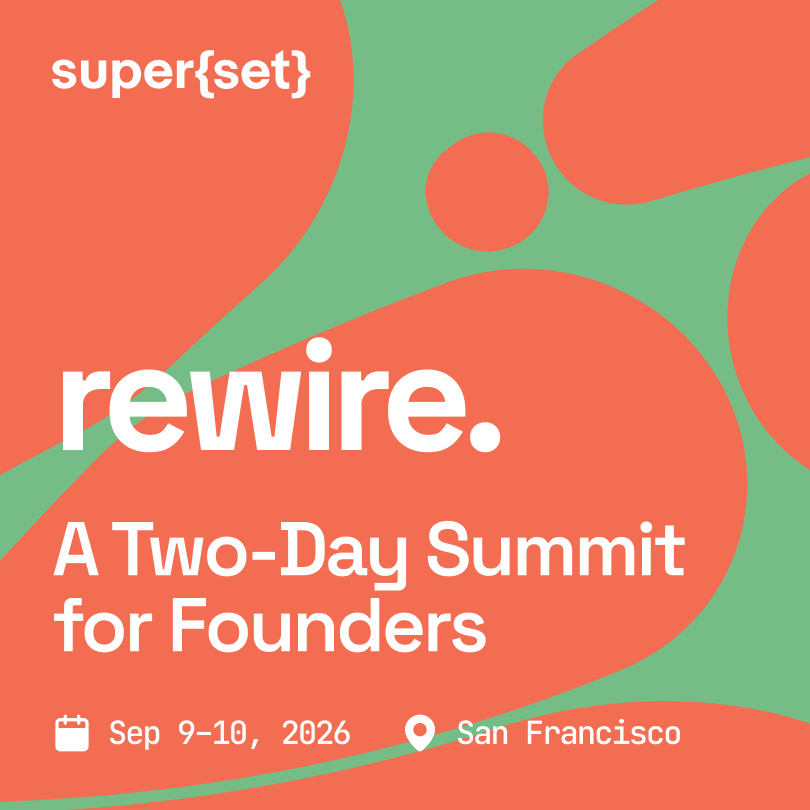
Two days on what changes between idea to exit, once building is no longer the bottleneck.

AI didn't eliminate the hardest part of building a startup—it moved it. Today, the challenge isn't writing code; it's finding the people who can validate your idea before you race to market. Design partner discovery has become the new go-to-market problem, and the founders who solve it first will build companies that matter.